
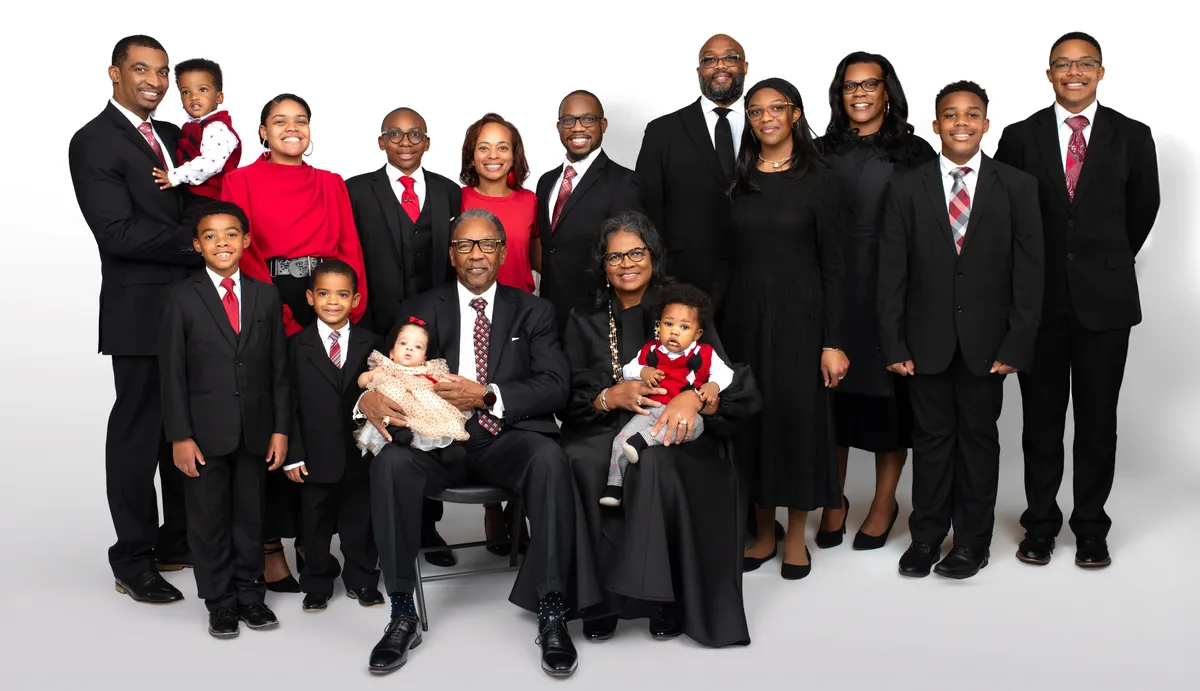
Pastors see the strain on families up close. Marriages under pressure, fathers disengaged from spiritual leadership, parents unsure how to disciple their children, and young people who drift from the church after high school. Many churches respond with more programs for children and youth. Those programs matter, but on their own they cannot replace what God designed the home to do.
This guide is for pastors, elders, and ministry leaders who want to build a family ministry that strengthens homes instead of competing with them. It covers the biblical foundation for church family ministry, the core components of a healthy approach, how to launch a marriage ministry and a men's ministry, and practical ideas you can put to work in a church of any size.
Why Family Ministry Matters
God gave parents the primary responsibility for teaching their children the faith. Deuteronomy 6 describes parents talking about God's Word throughout daily life, and Ephesians 6:4 charges fathers to raise children "in the nurture and admonition of the Lord." The church's role is not to take this responsibility away from parents but to equip them to fulfill it.
“And he gave some, apostles; and some, prophets; and some, evangelists; and some, pastors and teachers; For the perfecting of the saints, for the work of the ministry, for the edifying of the body of Christ”
Ephesians 4:11-12 (KJV)
Paul's description of church leadership applies directly to family ministry. Pastors and teachers exist to equip the saints for ministry. When a church equips parents to disciple their children and couples to build strong marriages, its ministry multiplies into every home in the congregation.
There is also a generational dimension. Psalm 78 calls God's people to tell "the generation to come the praises of the LORD," so that the next generation "might set their hope in God" (Psalm 78:4, 7). Family ministry is one of the clearest ways a church can obey that call.
What Family Ministry Is (and Is Not)
Family ministry is not simply a new name for children's or youth ministry. It is also not a single event, such as a parenting seminar once a year. At its best, family ministry is a church-wide commitment to three things:
- Equipping parents as the primary disciple-makers of their children.
- Strengthening marriages as the foundation of the home.
- Connecting generations so that children, teenagers, parents, and grandparents worship, learn, and serve together.
Some churches build a fully family-integrated model, while others keep age-graded ministries and add intentional family equipping. Either approach can be faithful. What matters is that every ministry in the church asks, "How does this help families follow Christ at home?"
The Core Components of a Healthy Family Ministry
1. A clear biblical vision
Begin by teaching what Scripture says about marriage, parenting, and the home. A sermon series on Deuteronomy 6, Ephesians 5 and 6, or Psalm 127 and 128 can lay the foundation and give your congregation a shared language for family discipleship.
2. Equipping parents
Most Christian parents want to disciple their children but do not know how. Give them simple, practical tools: a weekly family devotion guide tied to the sermon, examples of how to pray with children, and a reading plan for the year. Our family Bible study guide is one free resource you can share.
3. Strengthening marriages
Healthy marriages are the backbone of healthy families. A church that invests in marriage, through teaching, mentoring, and care for struggling couples, invests in the next generation.
4. Discipling men
Fathers have a particular calling to spiritual leadership in the home, yet many men are the least engaged members of the congregation. An intentional men's ministry can change the spiritual direction of an entire church.
5. Connecting generations
Older believers have wisdom that younger families need. Titus 2 describes older men and women teaching and mentoring those who are younger. Create space for those relationships to form.
How to Start a Marriage Ministry
A marriage ministry does not need to be complicated. Many effective marriage ministries begin with a handful of committed couples and grow from there.
- Find a lead couple. Look for a couple with a mature, stable marriage and a heart for others, not a perfect marriage. Couples who have come through hard seasons often make the best mentors.
- Start with a study. Gather couples for a six-to-eight-week marriage Bible study. Our biblical marriage guide includes a free six-week study you can use.
- Build mentoring relationships. Pair newlyweds and struggling couples with seasoned couples who can walk with them over time.
- Offer premarital preparation. Many problems can be prevented when couples learn biblical patterns for communication, conflict, finances, and intimacy before the wedding.
- Plan a retreat or marriage night. An annual Christian marriage retreat or a quarterly date night at church gives couples time to invest in one another.
- Create a path for crisis care. Make sure couples know they can come to church leaders when their marriage is in trouble, and have trusted biblical counselors you can refer to.
How to Build a Men's Ministry That Lasts
Many men's ministries begin with energy and fade within a year. The ones that last usually share a few traits:
- They are built on Scripture, not just fellowship. Breakfast and fellowship are good, but men need to be challenged by God's Word and called to action.
- They focus on calling. Men respond when they understand their responsibility before God as husbands, fathers, workers, and church members.
- They create accountability. Small groups of three to five men who meet regularly, pray together, and ask hard questions are the heart of a healthy men's ministry.
- They equip men to lead at home. Teach men how to lead family devotions, pray with their wives, and disciple their children.
- They reach men outside the church. Service projects, outdoor events, and community gatherings give church men natural ways to invite friends.
“Iron sharpeneth iron; so a man sharpeneth the countenance of his friend.”
Proverbs 27:17 (KJV)
A simple way to start a Christian men's group is to invite a few men to meet weekly for six weeks to read a book of the Bible together, such as Nehemiah, James, or the life of David. Ask three questions each week: What does this passage teach? Where am I falling short? What will I do this week? Close in prayer for each man's family. CFADD's Fathers on Assignment is built around this kind of calling for men.
Practical Family Ministry Ideas for Any Church
Whether your church has fifty members or five thousand, these ideas can strengthen family discipleship:
- Sermon-based family discussion guides. Provide a few questions each week that families can discuss at home about Sunday's message.
- Parent orientation for each life stage. Host a short gathering when children enter a new stage, such as preschool, middle school, or the teen years, to help parents know what to expect and how to disciple at that age.
- Family worship services. Hold occasional services where families worship together, then send them home with a guide to continue the conversation.
- Baby dedication with commitment. Use child dedications to call parents to a clear commitment to disciple their children, and follow up with resources.
- Intergenerational mentoring. Pair older couples with young families for monthly meals and prayer.
- Family service days. Plan projects where families serve the community together.
- Celebrate milestones. Mark moments such as baptism, a first Bible, or graduation with blessings from parents and church leaders.
- Use assessments to start conversations. CFADD's free Cultural Influence Assessment and Biblical Identity Assessment can help families see where they stand and where they want to grow.
Measuring Fruit in Family Ministry
Attendance is easy to count, but the real fruit of family ministry happens at home. Consider asking families a few simple questions once or twice a year: How often do you read Scripture and pray together? Do your children talk with you about faith? Do you feel equipped to disciple your children? Do husbands and wives pray together? The answers will show you where to focus next, and they will help your congregation see that family discipleship is a priority.
Common Challenges and How to Respond
"Our families are too busy."
Do not add more events. Instead, equip families to use the time they already have, such as meals, car rides, and bedtime, for spiritual conversation.
"We do not have the leaders."
Start with one couple and one men's group. Disciple them well, and they will become the leaders of the next wave.
"Not every family looks traditional."
Single parents, blended families, grandparents raising grandchildren, and singles all belong in a family-focused church. Make sure your language, resources, and care include them. The church itself is God's family for those whose earthly families are broken.
Partner With CFADD
CFADD works alongside churches that want to strengthen the families in their congregations and communities through a Biblical Worldview and a God-First Lifestyle. If you are a pastor or ministry leader, we would love to talk with you about your church's needs. Visit our churches page, learn about partnerships, or contact our team to start a conversation. You can also explore how to start a CFADD chapter in your community.